



Your Position:Home / News
How to choose suitable biodegradable bag raw materials?

…
Choosing suitable biodegradable bag raw materials requires comprehensive consideration of multiple factors. Here are some suggestions:
Select according to the application scenario:
Food packaging:
Safety is the primary consideration. Choose materials that are non-toxic, odorless, and do not transfer harmful substances to food. For example, polylactic acid (PLA) has good biocompatibility and safety, and is commonly used in food packaging such as food bags, meal boxes, etc. Moreover, PLA has high transparency, allowing consumers to clearly see the condition of the food inside the packaging.
If the food contains oil or moisture, the material also needs to have good moisture and oil resistance. Some biodegradable materials with special coatings or treatments can meet this demand, such as hydrophobic treated PLA materials or PBAT PLA blends, which improve the barrier properties against oil and moisture while maintaining biodegradability.
Agricultural applications:
When used for crop seed bags or agricultural films, the material needs to have good breathability and soil adaptability, so that the seeds can breathe and grow normally, and can quickly degrade in the soil after use without causing pollution and residue to the soil. Polybutylene succinate (PBS) performs well in this regard, with a moderate degradation rate in soil that does not affect crop growth. At the same time, it has good mechanical properties and can meet the needs of agricultural production.
If used for pesticide packaging, the material should have good tolerance to pesticides to prevent chemical reactions between pesticides and materials, while also ensuring the sealing of the packaging to avoid pesticide leakage.
Daily shopping bags or garbage bags:
This type of application scenario requires high mechanical properties of the material, which needs to have sufficient strength and toughness to withstand the weight of the object and the pulling, friction, etc. during daily use. PBAT material has good ductility and elongation at break, making it suitable for making shopping bags and garbage bags. It can ensure strength while having good flexibility and is not easily broken.
Considering the processing method after use, the material should be easy to degrade. Materials that can rapidly degrade under composting conditions are a better choice, as they facilitate centralized waste treatment and conversion into organic fertilizers.


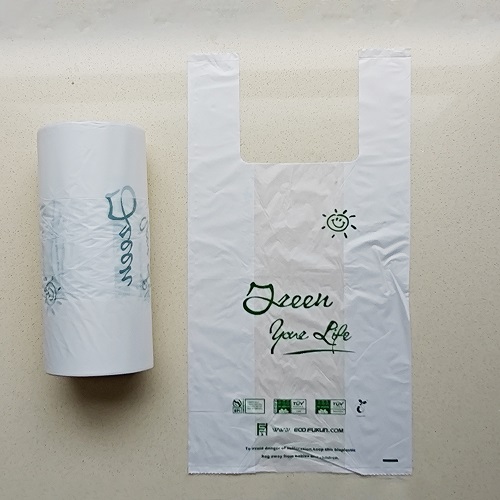 The Green Revolution: A Look at Eco-Friendly Shopping BagThe global push for sustainability is reshaping the packaging industry. As a forward-thinking PE bag manufacturer, we are actively engaged in this shift. This a
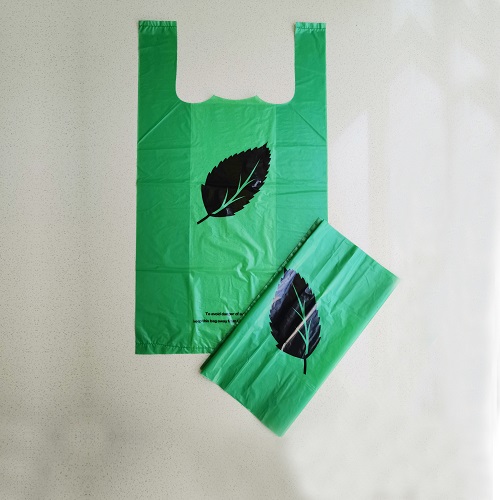 A Guide to Common Plastic Shopping BagAs a leading PE shopping bag manufacturer, we believe in empowering our clients and consumers with clear information. This guide explores the most common types
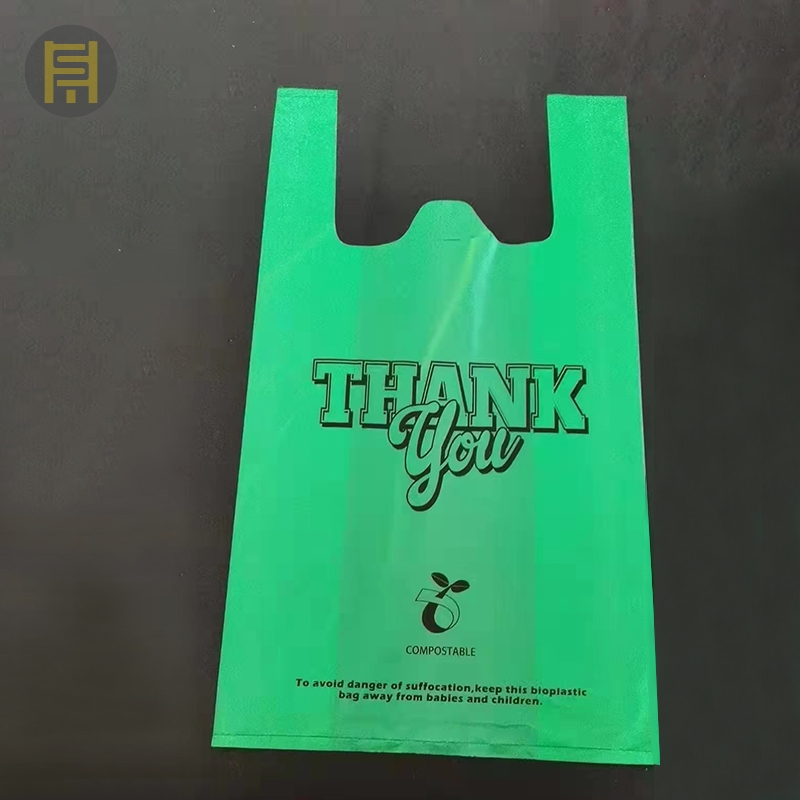 China';s Dual Approach: New "Plastic Ban" in Shanghai andChina is advancing its plastic pollution control through a combination of local restrictions and national standards creating a multi-layered regulatory environm
 Navigating the New EU Regulations for Plastic MaterialsThe European Union has ushered in significant updates to its regulatory framework for plastic materials with a particular emphasis on food-contact safety and ma

 +86 15288833535, +86 15588678006
  608-71, HaiKe Venture Center #C
  info@ecofukun.com