

Your Position:Home / News
The Green Revolution: A Look at Eco-Friendly Shopping Bag

…
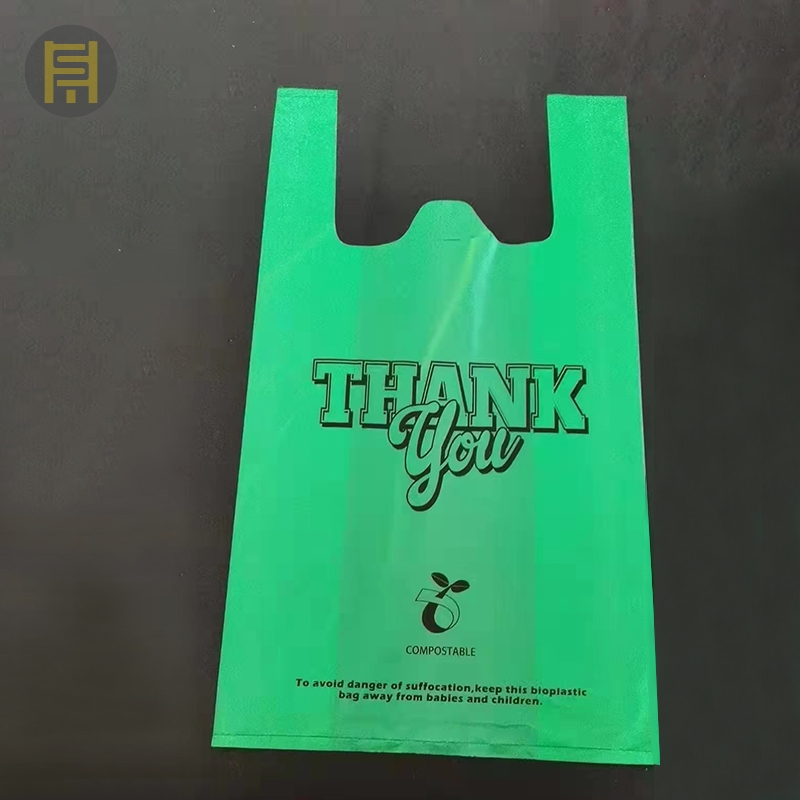
1. The Biodegradable PLA Bag
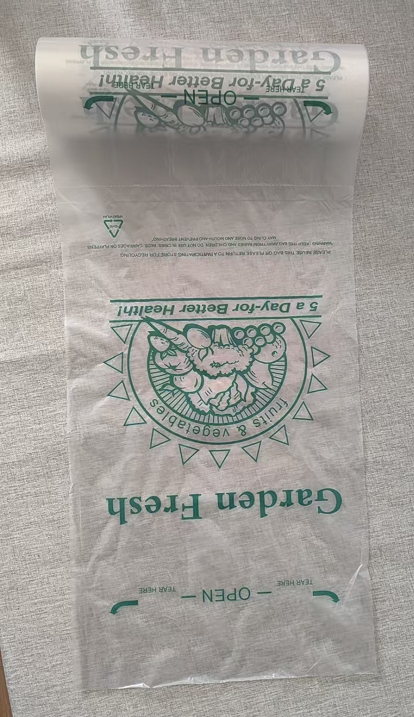
Material: Made from Polylactic Acid (PLA), a polymer derived from renewable resources like corn starch or sugarcane . It is classified as a biodegradable plastic .
Shape & Use: Often resembles traditional T-shirt bags or flat pouches. It's suitable for shopping, food packaging, and organic waste collection.
Advantages: The core advantage is its biobased origin and biodegradability under industrial composting conditions . It has a softer, more (fine texture) compared to traditional PE .
Drawbacks: PLA bags generally have a higher cost than PE bags. They also have functional limitations; they are not suitable for high-temperature items (use is often recommended below 100°C) and may not be resistant to oils . Furthermore, their strength can decrease over time as they begin to naturally degrade .
2. The PBAT/Starch Blend Bag
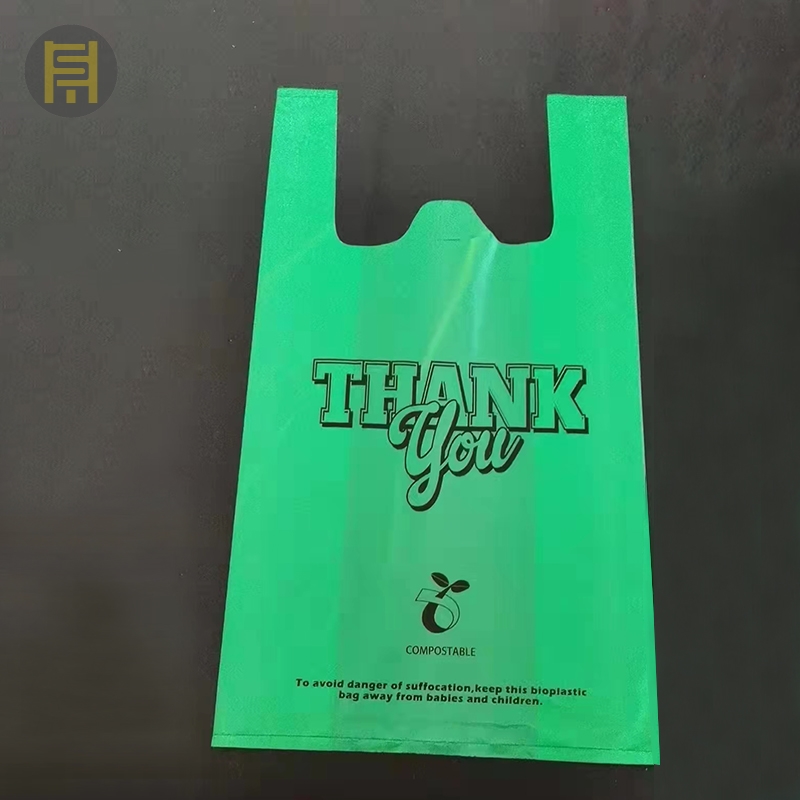
Material: A common blend includes PBAT (a biodegradable polyester) and starch . This combination enhances biodegradation while maintaining flexibility.
Shape & Use: Similar in shape to standard shopping bags, these are promoted as a direct replacement for conventional PE bags in retail and food service.
Advantages: These bags are designed to break down more completely in the environment than conventional plastics, reducing long-term plastic pollution. The material is often designed to feel pliable and sturdy.
Drawbacks: Like PLA, they can be more expensive than traditional options. Performance can vary based on the specific blend, and they may have lower wet-strength or load-bearing capacity.
3. The Recycled Polypropylene (PP) Tote
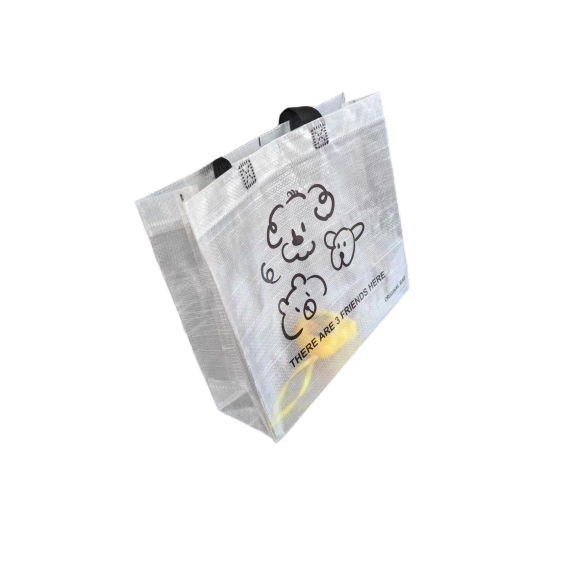
Material: Crafted from recycled PP, often from post-consumer or post-industrial waste. This gives a second life to existing plastic.
Shape & Use: Typically a durable, reusable tote bag shape with reinforced handles. It's ideal for grocery runs, library visits, and as a general-purpose carry-all.
Advantages: The primary benefit is its use of recycled content, directly reducing plastic waste and the carbon footprint associated with new plastic production. These bags are strong, washable, and highly reusable .
Drawbacks: While recyclable, the bag itself must be properly recycled at its end of life. It is also heavier and has a higher upfront cost than a single-use bag.
4. The Reusable Non-Woven Bag
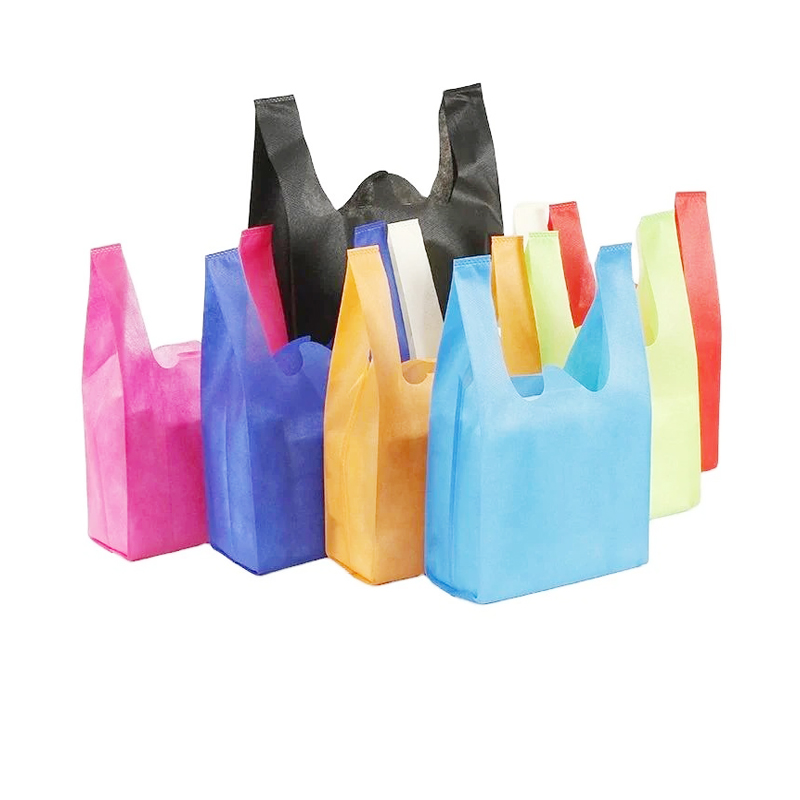
Material: Made from non-woven Polypropylene (PP), a fabric-like material created by bonding fibers together .
Shape & Use: Comes in various shapes and sizes, from simple totes to more structured bags. They are widely used for promotional events, shopping, and storage.
Advantages: Non-woven bags are known for their durability and ability to withstand heavier loads . They are also versatile for printing and branding, making them a popular marketing tool.
Drawbacks: Their production is still reliant on polypropylene, a plastic polymer. They need to be reused many times to offset their higher environmental impact from production compared to a single-use PE bag.


 The Green Revolution: A Look at Eco-Friendly Shopping BagThe global push for sustainability is reshaping the packaging industry. As a forward-thinking PE bag manufacturer, we are actively engaged in this shift. This a
 A Guide to Common Plastic Shopping BagAs a leading PE shopping bag manufacturer, we believe in empowering our clients and consumers with clear information. This guide explores the most common types
 China';s Dual Approach: New "Plastic Ban" in Shanghai andChina is advancing its plastic pollution control through a combination of local restrictions and national standards creating a multi-layered regulatory environm
 Navigating the New EU Regulations for Plastic MaterialsThe European Union has ushered in significant updates to its regulatory framework for plastic materials with a particular emphasis on food-contact safety and ma

 +86 15288833535, +86 15588678006
  608-71, HaiKe Venture Center #C
  info@ecofukun.com